About the CRL Collection
For more than 75 years, the Center for Research Libraries (CRL) has been building a shared and cooperative research collection that goes far beyond what any single library could hold on its own. What began as a Midwest consortium of a few major university libraries in 1949 has grown into a network of almost 200 research institutions committed to preserving and providing access to knowledge that might otherwise be lost or overlooked. 
How the Collection Was Built
Unlike a typical library that grows its own collection, the CRL collection was designed from the start to be collective — an organization through which member libraries pool resources, expertise, and materials to build something larger than themselves. In its earliest days, libraries deposited material infrequently used but of significant long-term research value--monographs, journals, newspapers and other research materials--into a centralized facility, laying the foundation for millions of items that continue to grow today. Over the decades, strategic collaborative programs and projects — many organized through area-focused committees — expanded CRL’s holdings and global reach.
CRL’s collection strategy reflects the belief that knowledge is interconnected and best preserved through cooperation, shaped by member-driven committees that guide acquisitions, preservation, and access.
What’s in the Collection
The CRL collection contains millions of unique and hard-to-find resources that complement local library collections and support advanced scholarship:
International and Historical Materials
- Global and regional newspapers spanning centuries and continents — one of the largest such collections in North America.
- International doctoral dissertations and theses from institutions outside the United States.
- Government documents and archives, including official gazettes and reports from around the world.
- Preservation reformatting projects focused on primary source material from Africa, Latin America, the Middle East, South Asia, and Southeast Asia.
Specialized and Unique Content
- Collections such as ephemera, political pamphlets, trade journals, textbooks, archives, government documents, historical college catalogs and courses of study that illuminate facets of culture, politics, and science often missing from mainstream academic libraries.
Formats and Languages
- Traditional printed volumes, microform, digital surrogates, and licensed electronic resources in hundreds of languages.
- Materials span disciplines from the humanities and social sciences to STEM fields, with a commitment to capturing voices and perspectives from around the globe.
Who Can Use It and How
The CRL collection is a shared research asset:
- Member libraries and their researchers can request loans, on-demand digitization, and use digital collections directly through CRL’s online catalog.
- Non-member researchers can often access materials through interlibrary loan services or open access digital collections, depending on rights and permissions. Please contact Access Initiatives.
CRL’s shared stewardship model makes rare and distinct materials discoverable and usable far beyond any individual campus — but with an emphasis on supporting scholarly research and teaching.
Preservation, Access, and Stewardship
CRL is an active preservation and access organization. CRL stewards physical and digital materials, converting at-risk items into stable formats, hosting digitized pages, and negotiating resource licenses that can benefit members collectively.
Through its stewardship, rare and fragile evidence of human knowledge is not only kept safe for future generations but also made discoverable and usable today. Materials are cataloged into global discovery systems like WorldCat, shared with local library catalogs, and digitized at member request.
Why CRL Matters
In a world of shrinking library budgets, rising subscription costs, and space constraints, CRL’s shared collection is a powerful example of enduring cooperative action in service of scholarship. By bringing together resources that might otherwise be forgotten, under-represented, or technologically inaccessible, CRL amplifies the research capabilities of its members. Through access initiatives, cataloging, collection development and licensing, CRL expands the reach of global knowledge to scholars everywhere. Through preservation, CRL ensures resources will be available to future researchers.
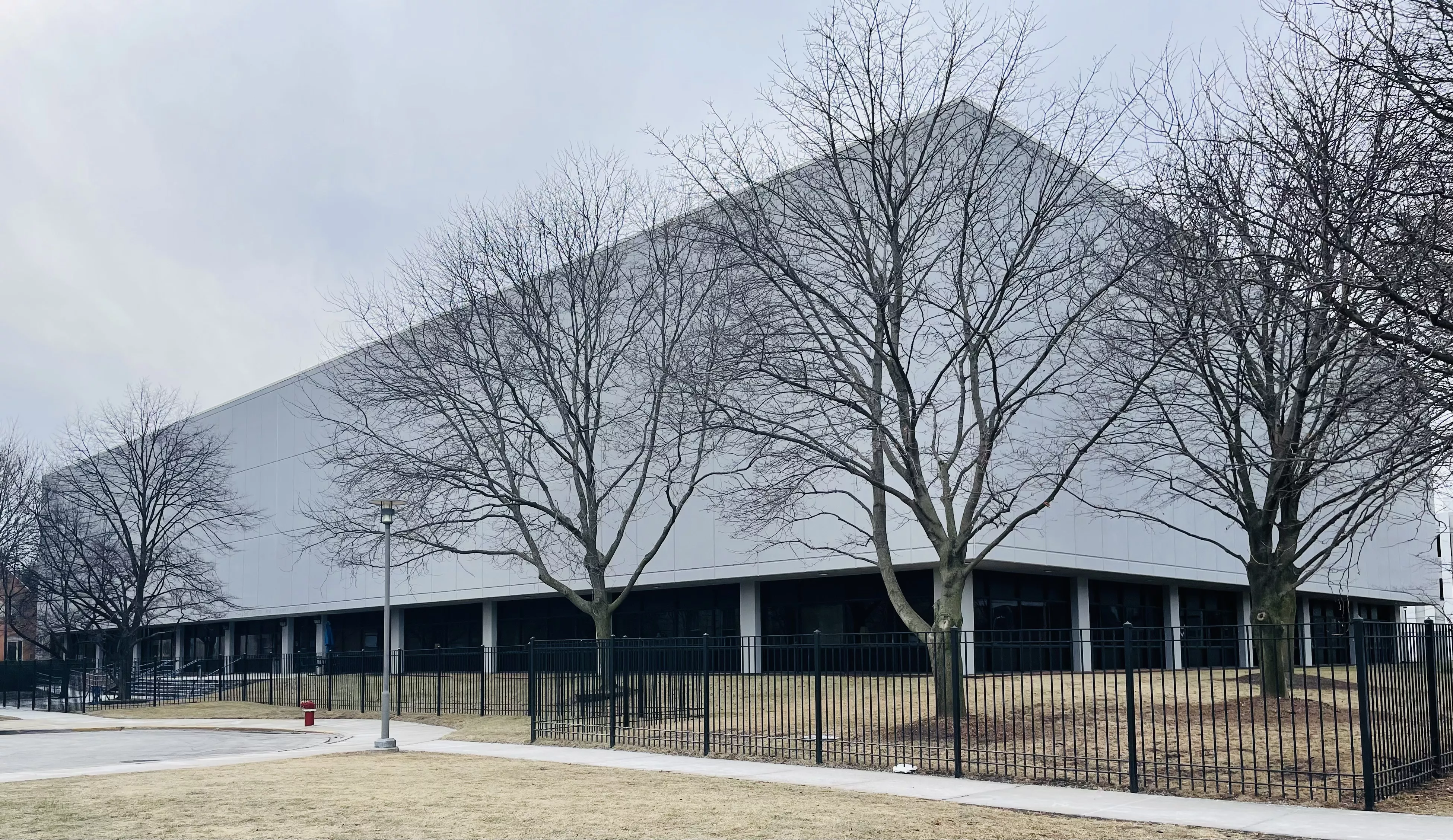
Member Services
The Center for Research Libraries supports academic and independent research libraries by providing shared resources, expert services, and programs. CRL’s services include collection development support, demand-driven digitization, licensing and preservation expertise, and access to global archival materials.
TRAIL
TRAIL identifies, acquires, catalogs, digitizes, and provides free access to U.S. government technical reports, preserving valuable scientific and technological literature.
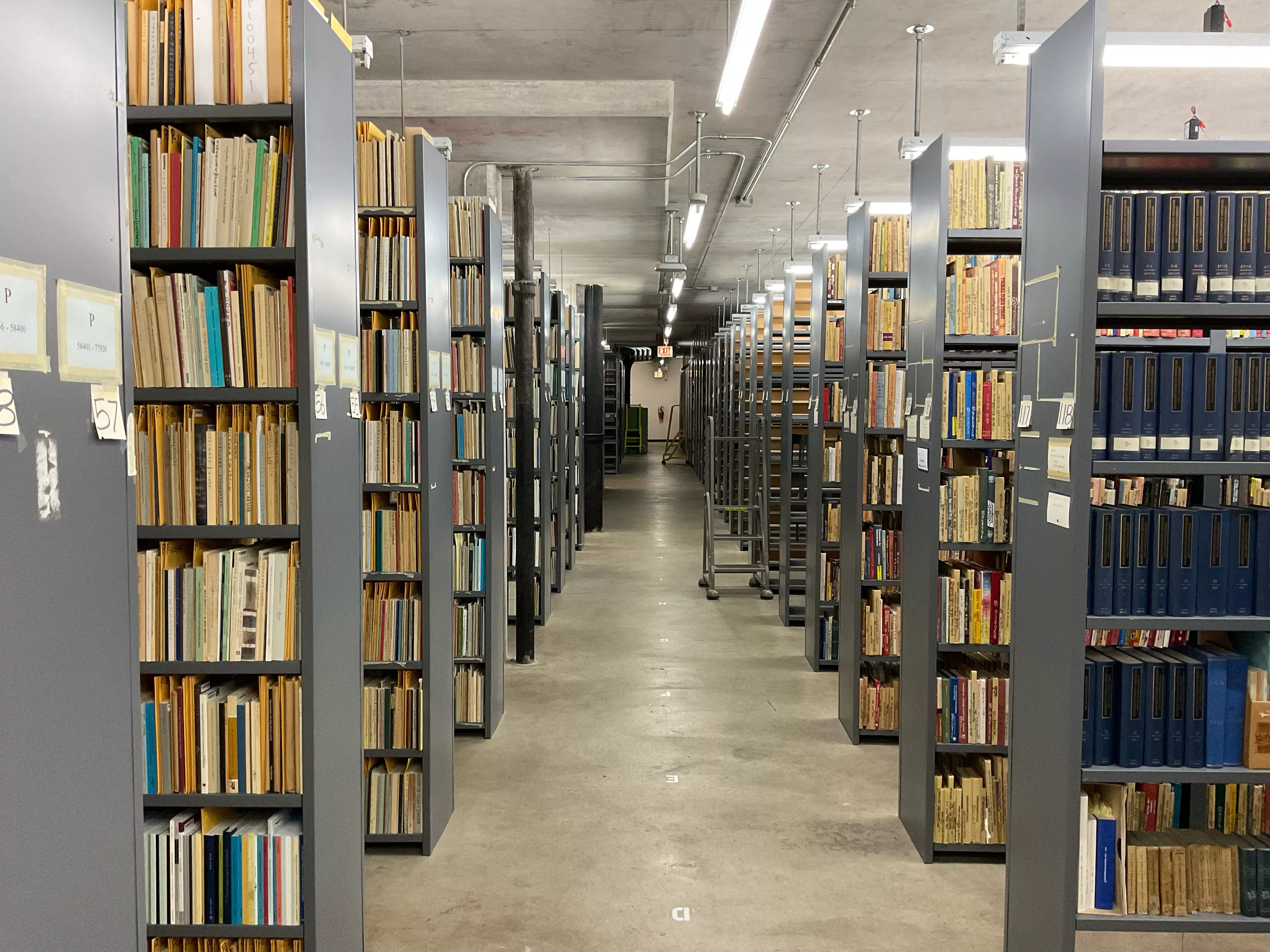
Global Collections Committees
Global Collections Committees (GCC) bring together CRL members to build and preserve collections focused on specific regions, cultures, languages, research areas, and other priorities identified by the Collection and Services Policy Committee (CSPC).

Print Archive Network (PAN)
The Center for Research Libraries fosters collaboration among library and consortia experts to share knowledge, expertise, and best practices in strategic print management. The Print Archive Network (PAN) Forum serves as a key venue for this exchange.